
A Good Life, Enabled
Alice’s story is a story of possibility. Like other young people her age, she wanted to grow up, make her own choices and have a home of her own. Alice has an intellectual disability and needs support to make that possible, but needing support should not mean having fewer opportunities to build an ordinary adult life.
Getting there has taken planning, flexible support, a team of people Alice knows, likes and trusts, and a family prepared to navigate funding, services and a considerable amount of paperwork. We started early, kept Alice’s vision of a Good and Ordinary Life at the centre, and tried to make sure that the support fitted the life Alice wanted rather than allowing available services to determine what her life could look like.
This is the story of what helped, what made things harder, and what we learned along the way. Most importantly, it is a story of a young woman growing up, making choices, leaving home and making her own place in the world.
Ordinary Life Outcomes
“Disabled people are supported to live an everyday life in everyday places; and are regarded as citizens with opportunities for learning, employment, having a home and family, and social participation – like others at similar stages of life.”
(Enabling Good Lives. (n.d.). Enabling Good Lives principles. Enabling Good Lives – Principles)
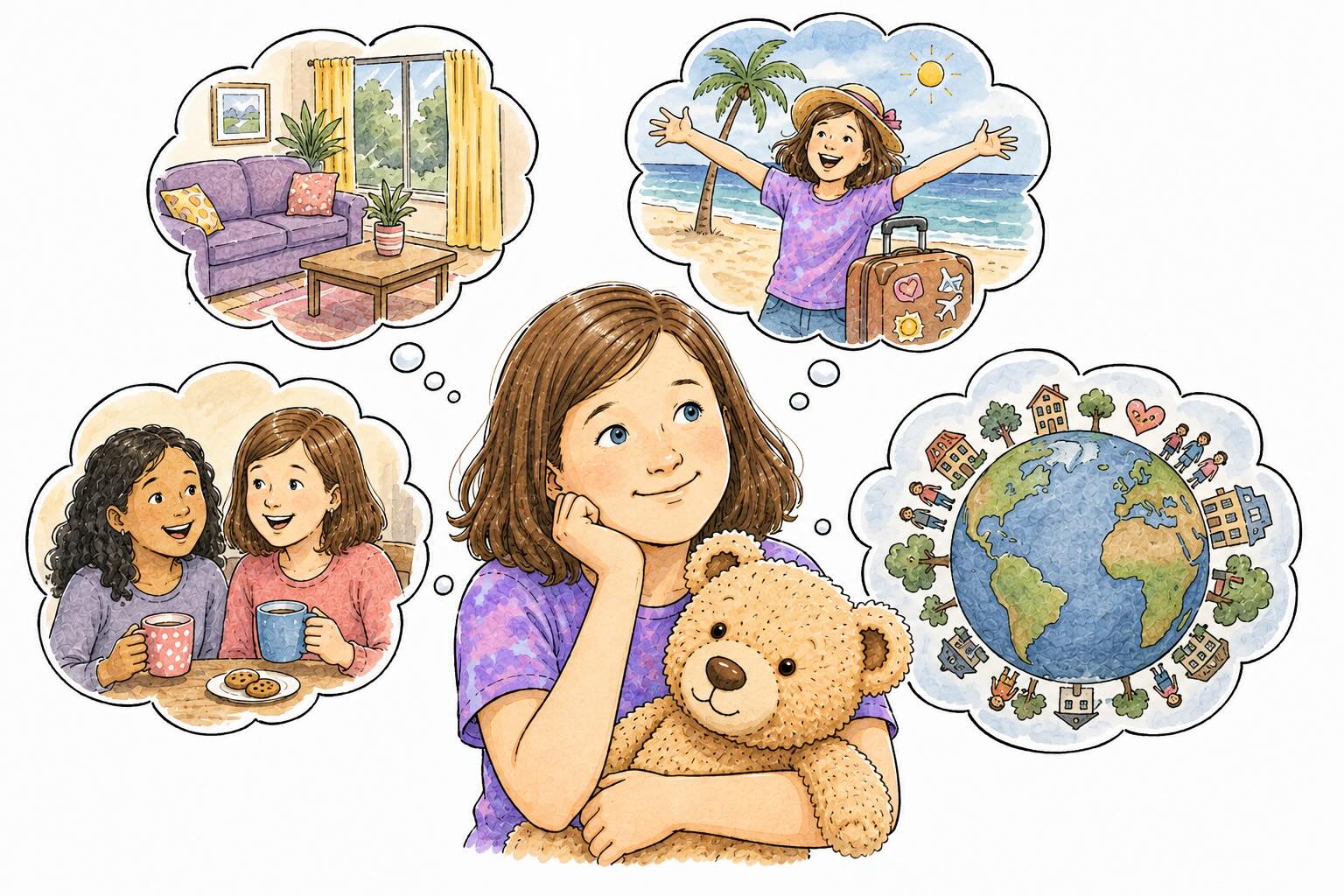
There are some universal themes in our understanding of what an Ordinary Life means. As a society we generally agree that it’s ordinary to learn, to have purposeful activity that contributes to family or society, and to have a home. We expect our ordinary lives to include connections with people we love and are loved by and the chance to do the things that give us joy. These themes are also reflected in the Universal Declaration of Human Rights. (United Nations. (1948). Universal Declaration of Human Rights. United Nations).
 The details of our individual understanding of an ordinary life varies a little and like a lot of people, Alice’s version of ordinary is heavily influenced by watching her older sisters. In Alice’s vision of a Good and Ordinary Life having your own home is a significant feature. When her siblings left home and went flatting, she noticed that in your own home you make the rules, decide things like what’s for breakfast, who visits and, importantly, when they leave. Other families live in multigenerational homes and so building independence while living with family would be ordinary for them. It wasn’t ordinary for our family. The idea of living with her parents forever did not appeal to Alice.
Alice was clear that making her own decisions and rules was very important to her so we did not think she’d like a community residential house. And so, we embarked on the epic journey of building Alices Good but Ordinary Life in a home of her own.
Beginning Early
“Invest early in families and whānau to support them; to be aspirational for their disabled child; to build community and natural supports; and to support disabled children to become independent, rather than waiting for a crisis before support is available.”
(Enabling Good Lives. (n.d.). Enabling Good Lives principles. Enabling Good Lives – Principles)
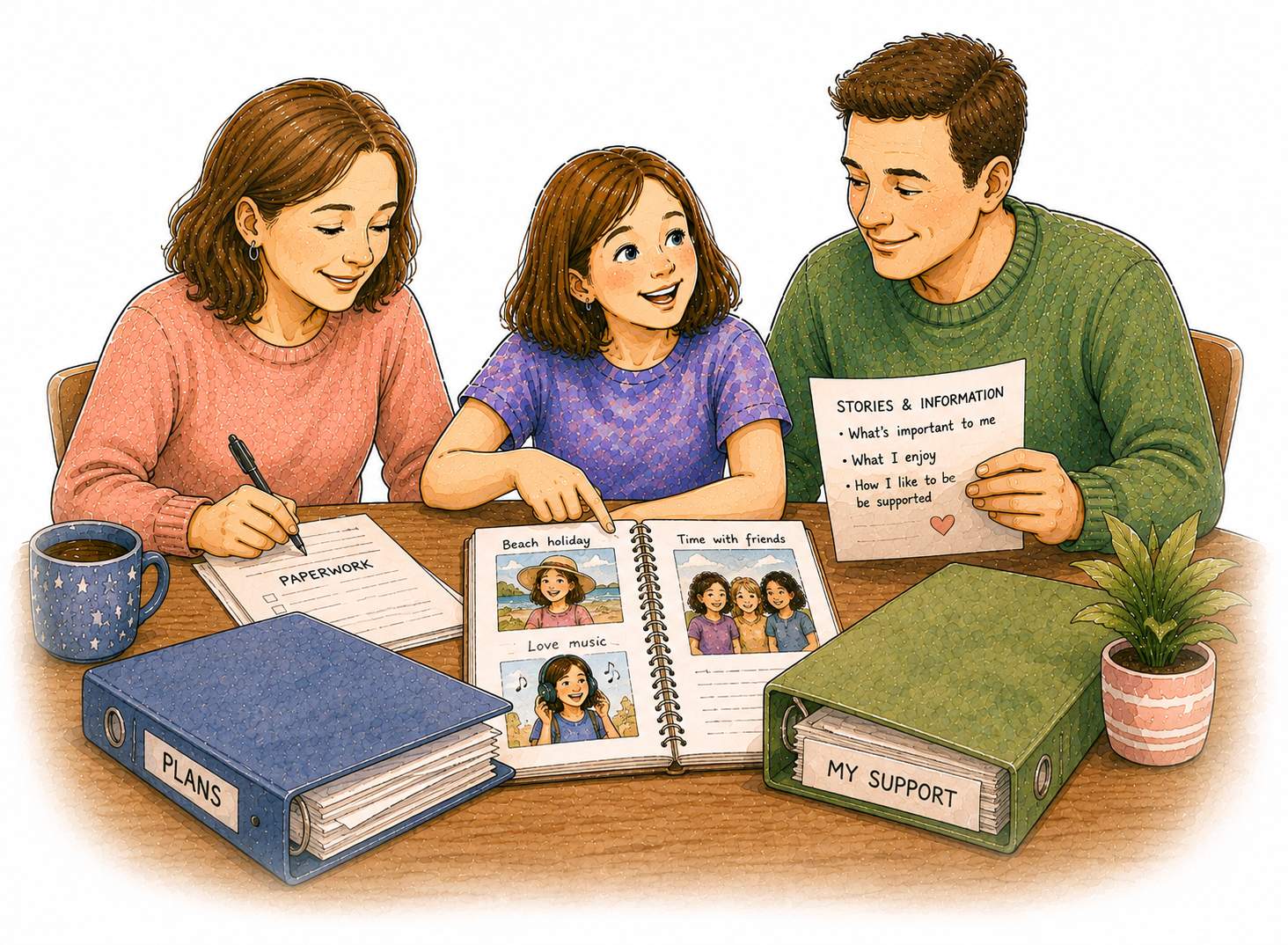 Planning began very early, years before Alice moved into her own home. We told agencies what the goal was and included it in every plan and document created. It became a golden thread running through IEPs and NASC assessments. This meant that goals, purposes and support were steps towards a specific long term outcome. When the time came to ask for Disability Support Services (DSS) Funding to support Alice in her own home it was expected. Which didn’t make it easy, just not a surprise.
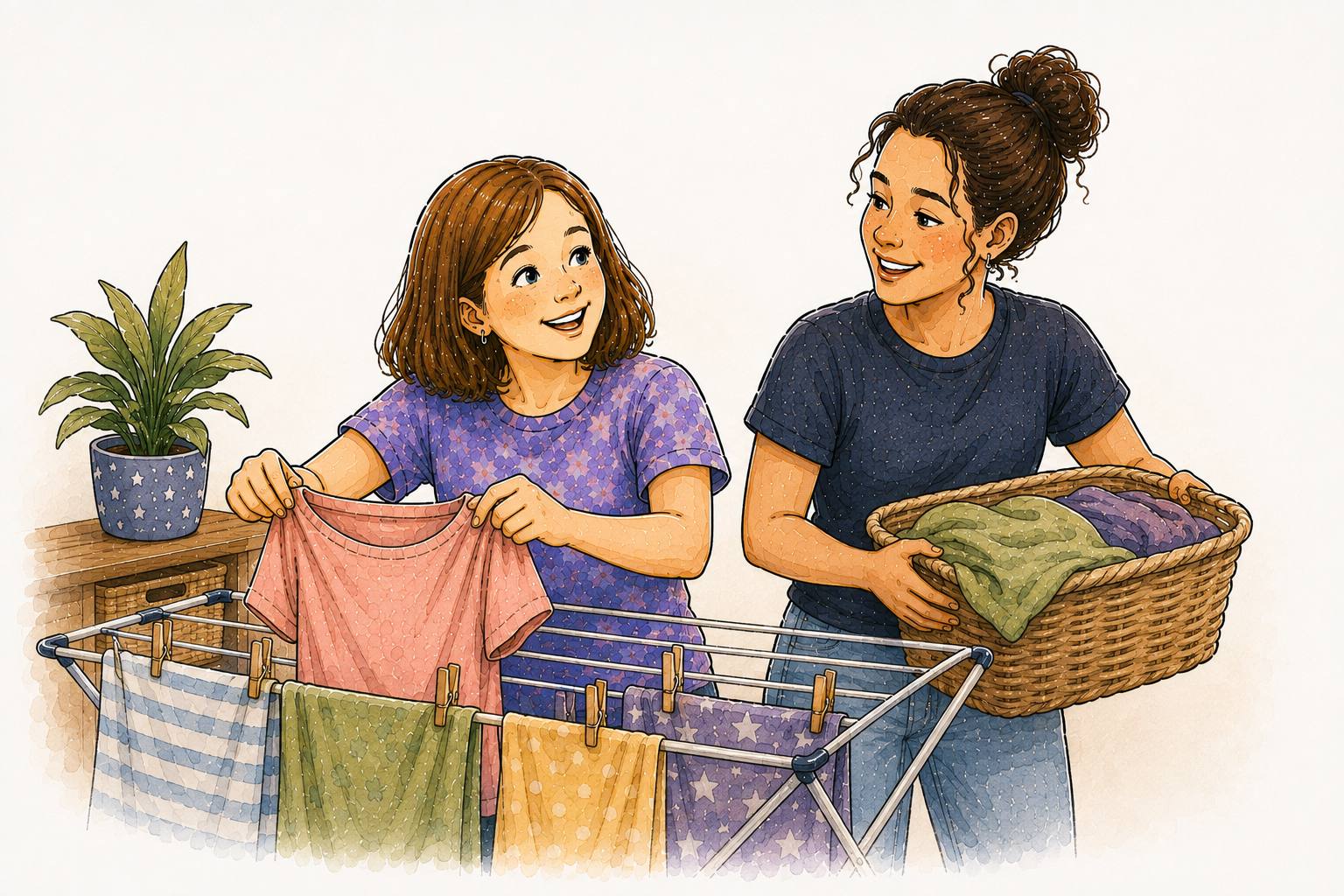 A key step in Beginning Early for our family was accessing Individual Funding and later a Personal Budget. (Disability Support Services. (n.d.). Individualised funding. Disability Support Services)
This meant that we could choose and employ staff who suited Alice and shared values with us. We have consistently employed young women who Alice enjoys being around and have the personal qualities and disposition that we were looking for. Very few had any experience of working with disabled people before joining our team. In the early years this meant that we invested a lot of time in coaching and growing staff skills. Eventually long term team members took over training new people. We invested a lot of time and energy into this and we did this because Alice’s quality of life is directly connected to the quality of support she receives and she prefers to receive support from people she knows, trusts and likes and who like her.
Employing staff, knowing who to choose and how to do it is daunting. The right person isn’t a universal thing and we learned to work out what made someone right for us. (Care Matters. (n.d.). Finding the right support. Care Matters)
We also chose to use a host to take care of a lot of employment matters that frankly we had neither time nor inclination to want to deal with. DSS Individualised funding information includes a list of host agencies. (Disability Support Services. (n.d.). Individualised funding. Disability Support Services – Individualised Funding)
Person centred planning
” Disabled people have supports that are tailored to their individual needs and goals, and that take a whole life approach rather than being split across programmes.” (Enabling Good Lives. (n.d.). Enabling Good Lives principles. Enabling Good Lives – Principles)
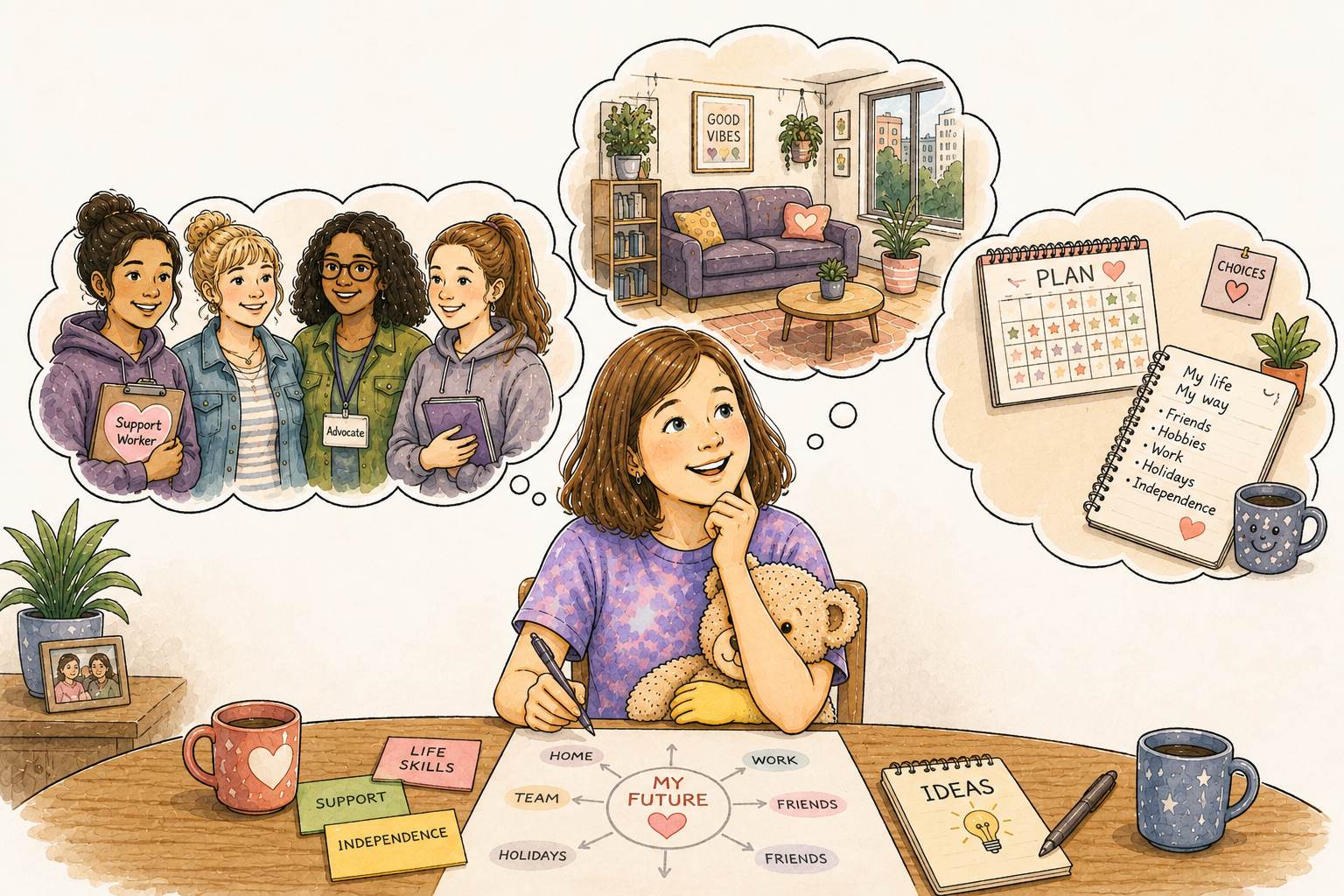 Alice has always been clear about what she wants and doesn’t want and is the decision maker in her life. Our role as family has been to make sure she has experiences and information so that she can make good decisions. This isn’t easy and logistics, creating social stories, building understanding overtime has taken up a lot of time over the years. We also do a lot of the “paperwork” and support her to get what she needs and wants from services. This has taken a lot of time too.
It’s been a lot of work because although services may say they take a person centred approach, there is no ‘whole of life approach’ and support is absolutely still “split across programmes”. Making it all join up as much as possible and keeping all the services travelling in the same general direction has been our task as a family. Some disabled people do this for themselves, and some like Alice have family who can help. For a variety of reasons not every disabled person who needs assistance navigating the labyrinth of services has a family member able to support them and access to a Good Life shouldn’t depend on this variable. The move to flexible funding nationally should help with this as a disabled person needing support with planning, supported decision making and accessing services should be able to use their DSS funding to purchase this service if they want to.
Mana enhancing
“The abilities and contributions of disabled people and their families are recognised and respected”
(Enabling Good Lives. (n.d.). Enabling Good Lives principles. Enabling Good Lives – Principles)
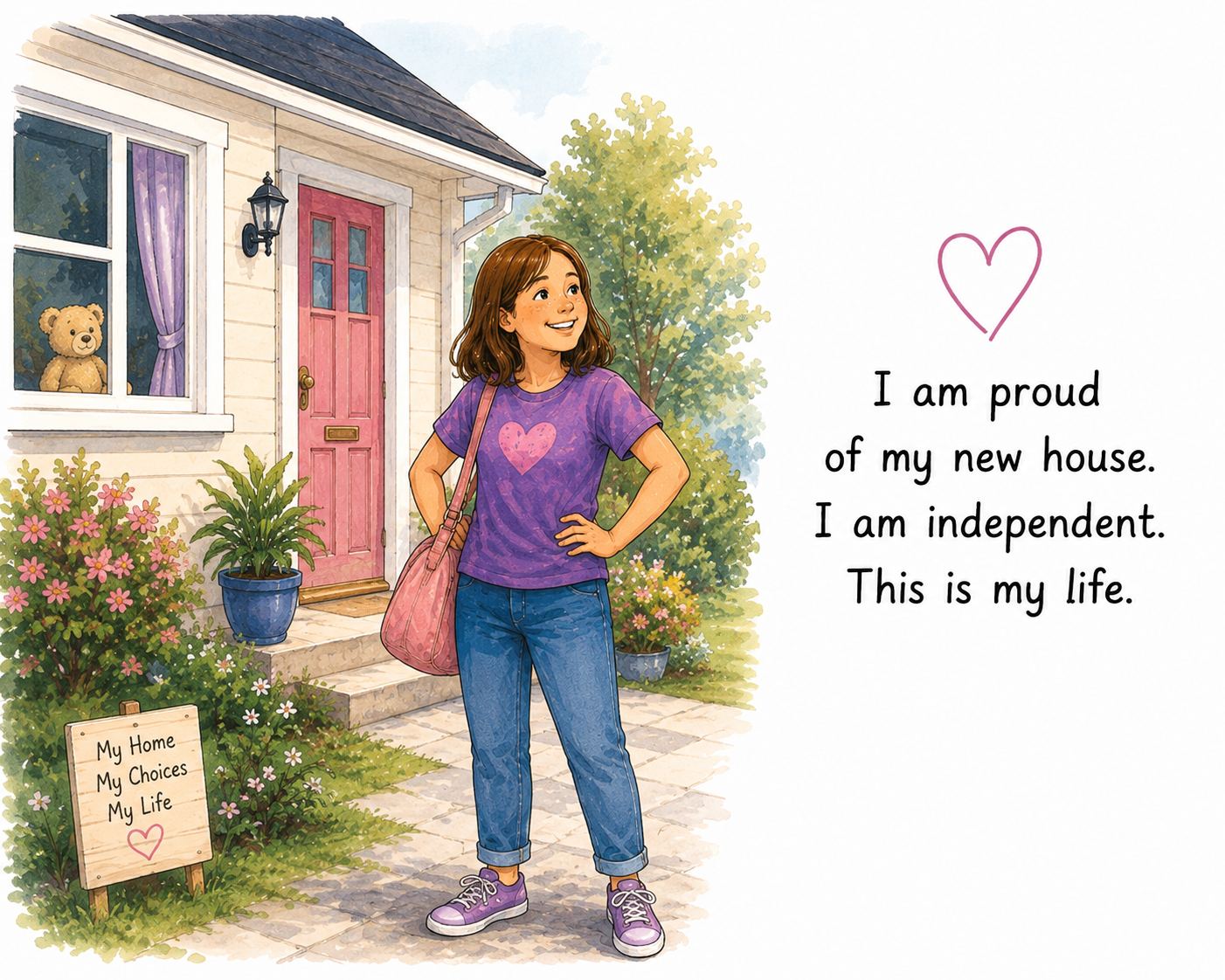 The next step in Alice’s Good and Ordinary Life is having a job. In our town she spotted her sisters and their friends working at places like cafes, shops and most excitingly fast food drive throughs. Alice has been very enthusiastic about having a job ever since and like other students her age she has been learning about the world of work at school and through work experience. Partnering with school and setting an IEP learning goal about work and work experience has meant that key skills were identified, learning opportunities planned and progress monitored.
There seems to be very little general expectation that disabled young people will work when they leave school and this is discussed in the final paragraph of the second appendix of this report (Ministry of Business, 2023). Literally at the end, which ironically reflects the general attitude of considering employment for disabled people as an afterthought.
“Disabled children and young people and their whānau report a range of education-related factors that can affect pathways to employment, including concerns about anti-inclusive attitudes and practices in early learning and schools, education workforce capability, and access to learning support, including waiting lists for specialist services, and resourcing for assistive technologies.73 Disabled young people also report employment-related barriers including employer discrimination, accessibility issues, and lack of support programmes or networks that could assist with finding a suitable job”
(Ministry of Business, Innovation and Employment, Ministry of Education, Ministry of Social Development, & Ministry for Women. (2023). Preparing all young people for satisfying and rewarding working lives: Long-term insights briefing. New Zealand Government. https://www.mbie.govt.nz/dmsdocument/26657-young-people-long-term-insights-briefing-pdf).
Self-determination
“Disabled people are in control of their lives.”
(Enabling Good Lives. (n.d.). Enabling Good Lives principles. Enabling Good Lives – Principles)
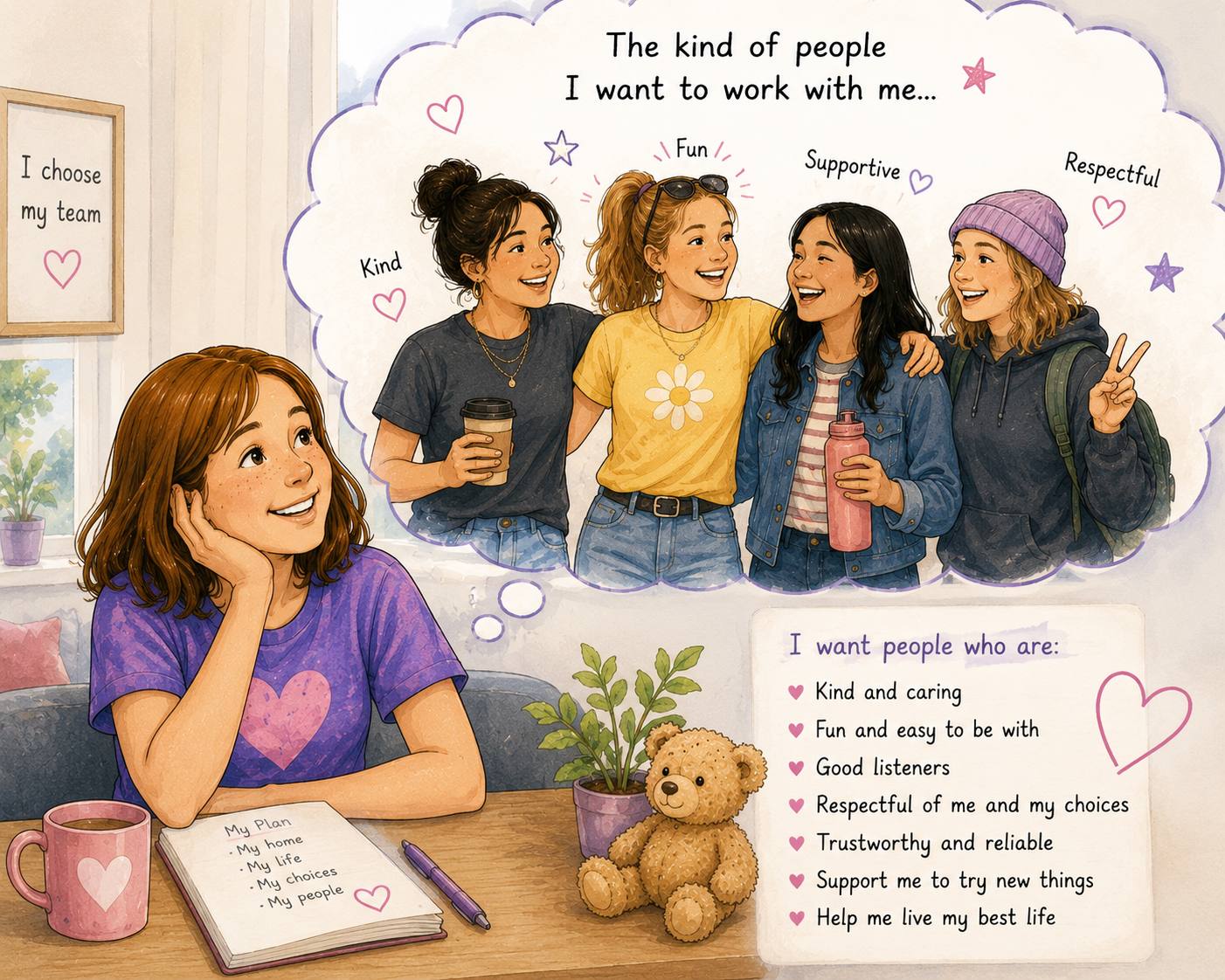 Alice is an adult and makes her own decisions. At times she needs help to understand what she is being asked to decide and her family and support team help. Supporting decision making and the team understanding why we support decisions rather than direct is a key principle we try to keep at the heart of support. Our efforts to support important decisions are better received if we avoid interfering in decisions with great importance to Alice and limited or no consequences, like ice-cream for breakfast. (NB this only fits “limited consequences” if you don’t go buy more ice cream so there’s some for later when you planned for it to be eaten.)
Sometimes Alice makes decisions that we would rather she didn’t. So do her sisters. It can be personally very challenging for parents to step aside and let adult children make a choice you’d rather they didn’t. We tried to start doing this with little things from an early age, which is why we have a lot of photos of all of our daughters in unusual fashion choices. It’s still a struggle but that is our problem and not our daughters to carry.
We have no plans to seek orders under the Protection of Personal and Property Rights Act 1988 (Protection of Personal and Property Rights Act 1988, No. 4 (NZ). New Zealand Legislation) This is because it seems that when a disabled person has a welfare guardian or property manager many agencies and services exclude the person from discussion and decisions. While this is not the way the act is intended to work it continues to happen and the best way to avoid it is for Alice to have the same legal status for decision making as any other adult.
Mainstream first & Relationship building
“Disabled people are supported to access mainstream services before specialist disability services.”
“Supports build and strengthen relationships between disabled people, their whānau and community. “
(Enabling Good Lives. (n.d.). Enabling Good Lives principles. Enabling Good Lives – Principles)
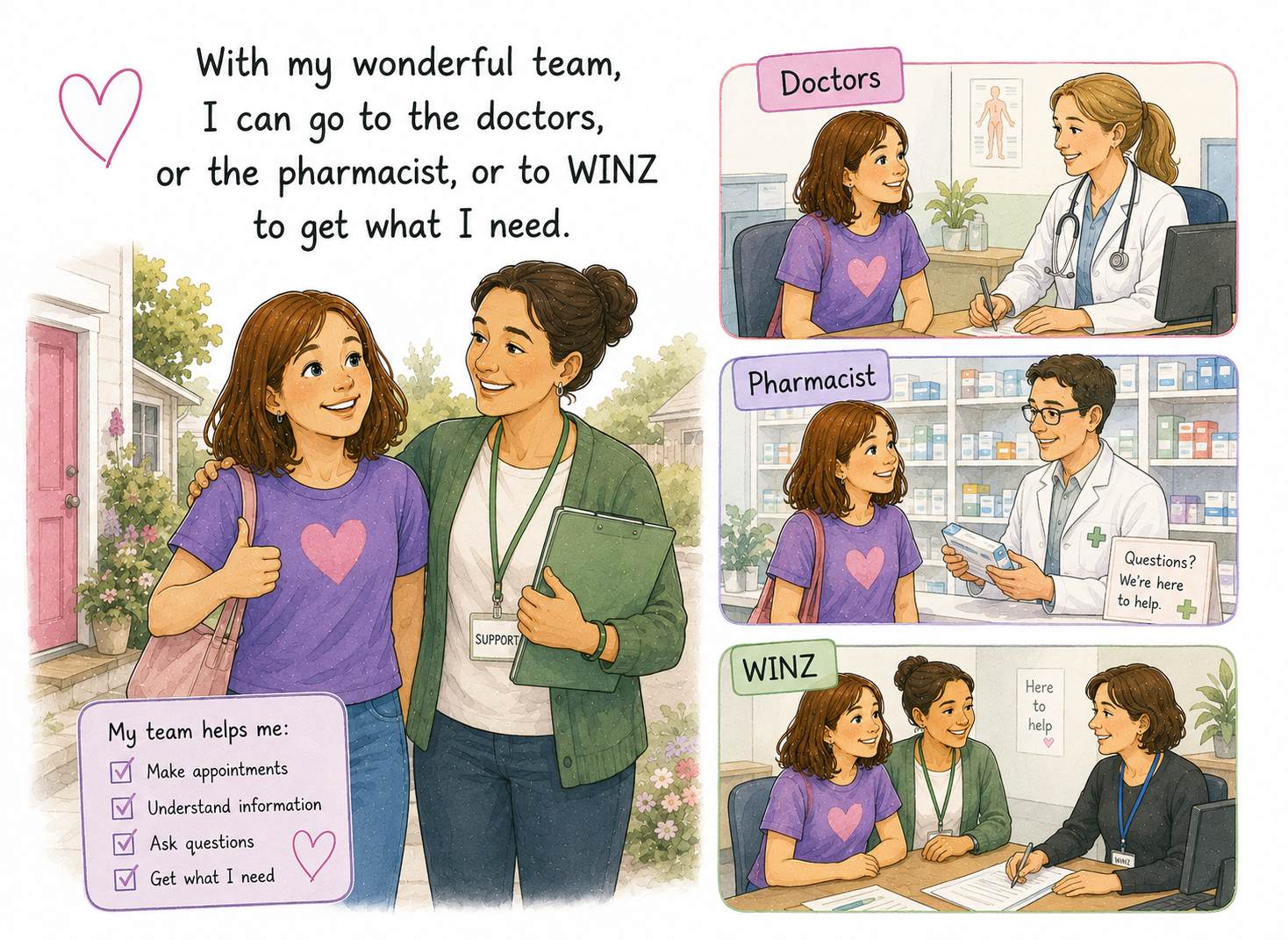 With support, Alice accesses universal services like anyone else. She goes to places like the supermarket, cafés, library, local events and her appointments. Like others her age she shops online, uses social media and online banking. Accessing in person mainstream services is often not easy and there are lots of ways through non-mainstream options she could avoid doing this. We persist because we discovered a beneficial side effect. Alice is keen to say hello and chat to people about their jobs in the places she visits and so she knows lots of people. She enjoys regular, casual chats with people she sees often and this is another building block in her Good and Ordinary Life.
Social media has been a challenge, and like many parents we thought long and hard about how to talk to all of our children about safety online. It has been a longer journey with Alice finding a safe path to participate in this space. In the end we put some safety checks in place and reminded ourselves that she had the same right to make mistakes as everyone else. There have been some exciting moments of risk, navigated with no long term consequences except an unexpected knowledge of British pub culture through facetime calls to family overseas.
The People First Safety Net Cyber Card Game helped introduce topics. (People First New Zealand. (n.d.). Cyber safety cards. People First New Zealand – Cyber Safety Cards).
Easy to use
“Disabled people have supports that are simple to use and flexible.”
(Enabling Good Lives. (n.d.). Enabling Good Lives principles. Enabling Good Lives – Principles)
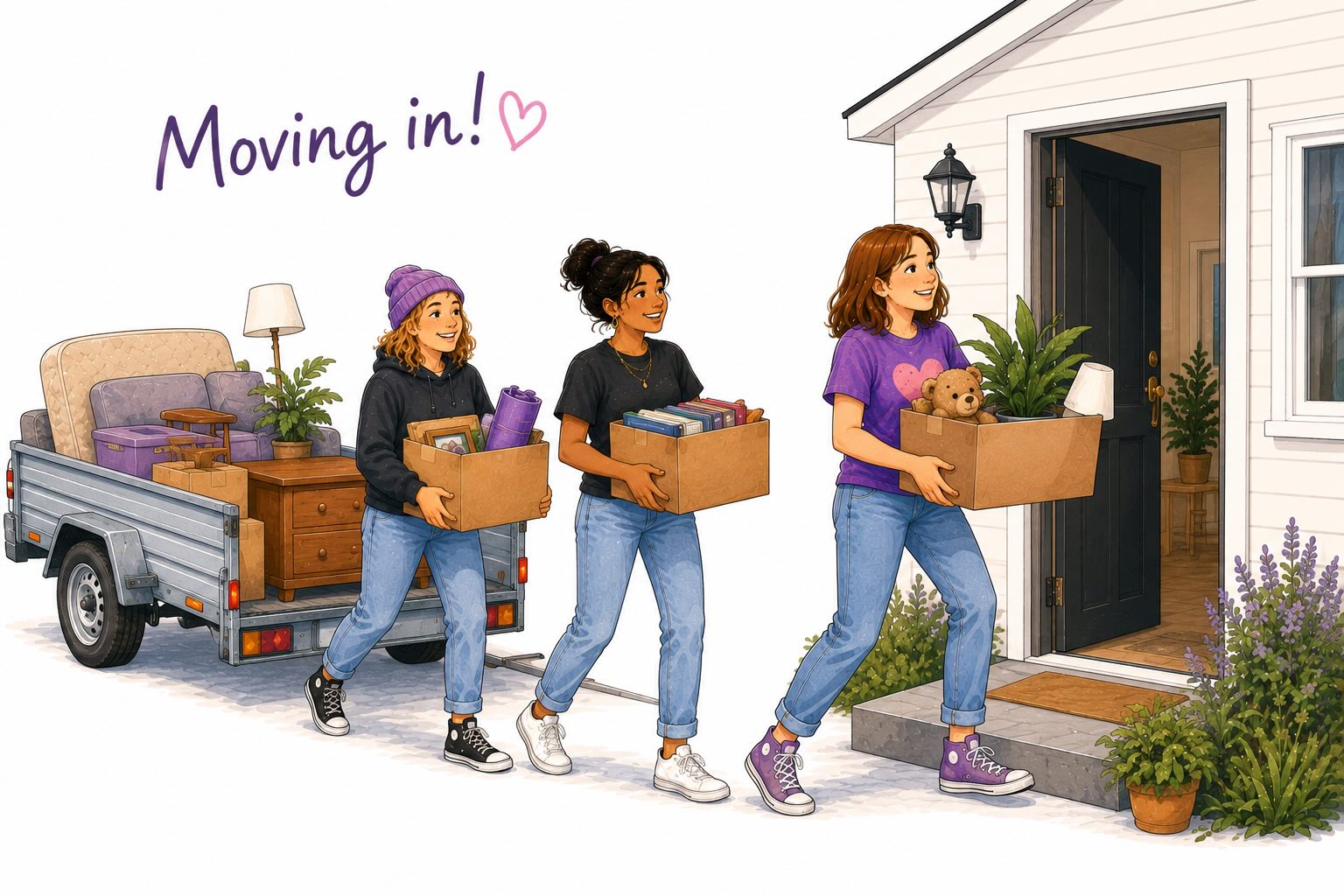 Alice’s experience of setting up her own home has been just challenging enough. She helped plan, made the decisions, helped decorate and move in. She gets to continue making decisions and is learning to look after her house with new challenges along the way.
To make this happen and continue to happen, our family has dealt with the bureaucracy that is very much not “Easy to Use”. To be clear, it was the bureaucracy and system that was difficult, not the people working within the system. They did their best. We found the support, made the plan, did the sums and filled in a lot of paper justifying the support needed. Experience told us that we’d need a lot of ‘evidence’ to back up what we said about support needed. I think that’s often the worst part of asking for support, producing other people’s reports or records that prove you’re not just making it up. On the upside because we knew you always need to prove you’re not fibbing, we had kept track of a bunch of useful bits of paper.
Knowing that things take far more time than you ever expect we put together a timeline that meant that from the day we submitted paperwork to “move in” day we had eight months. We included the timeline in the paperwork so everyone looking at it would know. Our first barrier was a several month long delay in getting an important signature to allow the funding request to progress. Someone left a job and that caused us months of uncertainty and worry while our funding request gathered dust in a pile waiting for a new person to be employed. Once the paperwork was duly “signed off” allowing us to request the funding, it went off to a panel to decide on our request. They asked for more information. I wondered if anyone really understood the logistics that needed to happen between their decision to approve funding and move in day. A simple example is you can’t go from a few hours a day support to 24/7 without increasing the staff team and we have at the heart of our vision a commitment that Alice would receive support from people she knows, trusts and likes and who like her. That doesn’t happen quickly. In the end the funding was approved we made it work with just a few weeks delay in our timeline.
Our experience was that disability specific funding and support services continue to be fragmented, with excessive checks, documentation and access barriers. And wait lists. Accessing mainstream services means navigating a “one size fits all” approach that unintentionally adds layers of difficulty that we must find ways to manage. From Alice’s early childhood systems have relied on our family taking on the role of Project Manager and stitching the fragmented services together, sharing information and coordinating services. Nothing has been easy.
I hold out hope that the return to flexibility and the new defined purposes to be included in the My DSS Funding Plan will mean that disabled people and their families will be able to pay someone to deal with the complexity and finally make their experience Easy to Use. (Disability Support Services. (n.d.). Getting ready for your needs assessment. Disability Support Services – Getting Ready).
What helped us
Starting early made a difference. We kept Alice’s vision of a Good and Ordinary Life at the centre and made sure that having a home of her own remained a consistent goal in plans and conversations over many years. We found opportunities for Alice to try things, build skills and have experiences that helped her understand the choices she would eventually need to make.
Individualised Funding allowed us to build a team of people Alice knows, likes and trusts, and we invested time in helping that team understand her and how she wants to be supported. We learned to listen carefully to Alice, support her to make decisions rather than make them for her, and accept that sometimes her choices would be different from ours.
Most importantly, we focused on the goal first and asked ourselves, “What does a good life look like for Alice, and what support will help make that possible?” not “What services are available for Alice?”
Final thoughts
Alice has her own home, people around her who she knows, likes and trusts, and support that enables her to make choices, participate in her community and continue building an ordinary adult life. She is young and her story has many more plot twists ahead.
Getting to here has required much more than Alice and our family knowing what she wanted. We have needed the time, knowledge, confidence and persistence to navigate funding, coordinate services, complete paperwork and make disconnected parts of the system work together. Not every disabled person or their family is able to do this, and access to a Good Life should not depend on this.
The principles of choice and control are powerful, but they need to be experienced in practice. Systems should make it easier, not harder, for disabled people to imagine an ordinary life, make decisions about what that life looks like, and access the support they need to make it happen.
Alice’s life doesn’t need to be extraordinary. She should just have the same opportunity as other young people to grow up, make choices, and make her own place in the world.